Jun 2, 2026 · 3 min read · 621 words · Updated Jul 5, 2026
How to Choose the Right HVAC System for Your Home
Sizing, and why the load calculation matters more
The most common HVAC mistake is buying too much system: a 4-ton unit for a 3-ton house because bigger sounds better. It isn’t. An oversized system short-cycles, running in quick bursts that waste energy, leave the summer air humid, and wear the equipment out early.
The right size comes from a load calculation, which weighs your square footage, insulation, windows, the way the house faces the sun, the local climate, and how many people live there. We run a Manual J calculation to find your home’s real heating and cooling demand. It takes about two hours, and it’s worth every minute.
SEER and your electric bill
SEER, the Seasonal Energy Efficiency Ratio, measures how efficient an air conditioner is. A higher number means a lower summer bill.
SEER 13 to 14 is the baseline. It meets code and suits older homes and tight budgets. SEER 16 to 17 is where most people land: a solid step up in efficiency for a reasonable price, saving roughly 10 to 15% over baseline. SEER 20 and above costs more upfront and pays off mainly for homes that run the AC hard, where the savings can top 20%.
Colorado summers run hot but short. Most homeowners come out ahead at SEER 16 to 17. If you cool the house heavily or plan to stay 15 years or more, SEER 20 can be worth it.
Heat pump, furnace, or hybrid
A furnace paired with an AC is the traditional split system: separate equipment for heat and cooling. It’s simple and reliable, and efficient when it’s sized right. It makes sense in homes that already have ductwork.
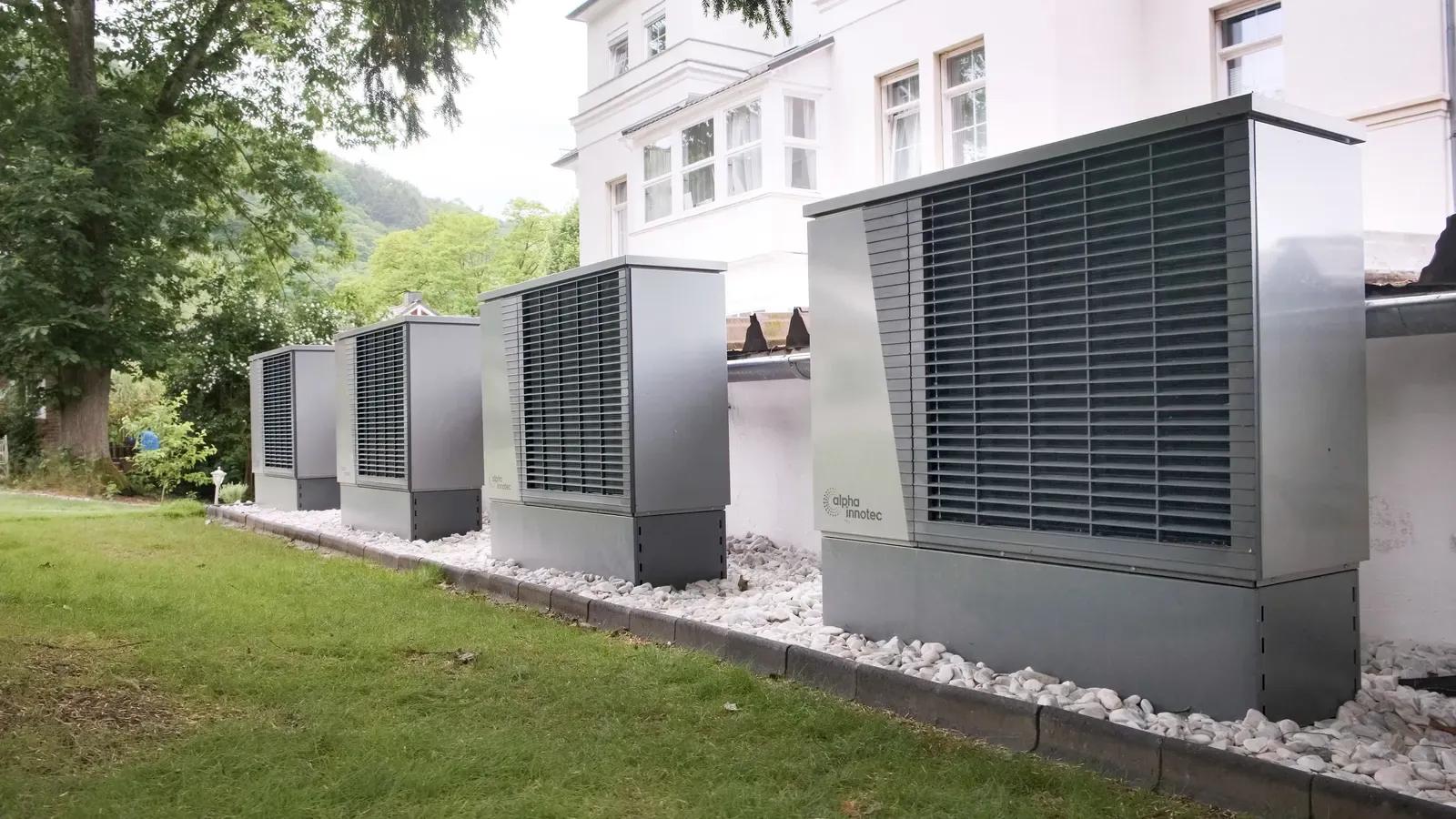
A heat pump does both jobs in one unit. It moves heat instead of burning fuel, since even cold air holds some heat to move, which makes it very efficient in mild climates. Its output falls off in deep cold, below about minus 10 Fahrenheit, but most Boulder winters never get there.
A hybrid runs a heat pump and a furnace together, leaning on the heat pump in mild weather and the furnace when it turns bitter. It costs more to install, but it holds efficiency well through Colorado’s back-and-forth winters.
Brands and warranties
Stick with a manufacturer that has a track record in Colorado. Carrier is reliable, mid-priced, and easy to get serviced. Lennox offers the highest efficiency and a strong warranty for more money. York is a good value and dependable, though less common here. Trane is built like commercial equipment and priced to match.
Warranties usually cover parts for 5 to 10 years and labor for 1 to 5. Paying up for the longer labor coverage makes sense if you plan to keep the system past 15 years.
The real cost is installation and upkeep
The equipment is only about half the bill. The rest goes to installation, ductwork, electrical work, permits, and commissioning. A mid-range system installed well will beat a premium one installed badly, so we push for good equipment and a careful install in equal measure.
Maintenance decides the rest. Two tune-ups a year head off most failures and keep the system efficient. Budget $300 to $400 a year for it, and the equipment will likely outlast its rating.
Next steps
Start with a load calculation. Get three to five quotes and compare them. Ask each contractor about efficiency tiers and where the trade-offs are, and settle how maintenance will work before you sign. Then pick the system that fits your climate, your budget, and your timeline.
When you’re ready, we’re glad to walk through it with you. No pressure and no sales pitch, just straight advice.
Printed from https://ampolic-astro-template.pages.dev/blog/choosing-a-system