Mar 24, 2025 · 2 min read · 481 words
Spring Allergies and Your HVAC
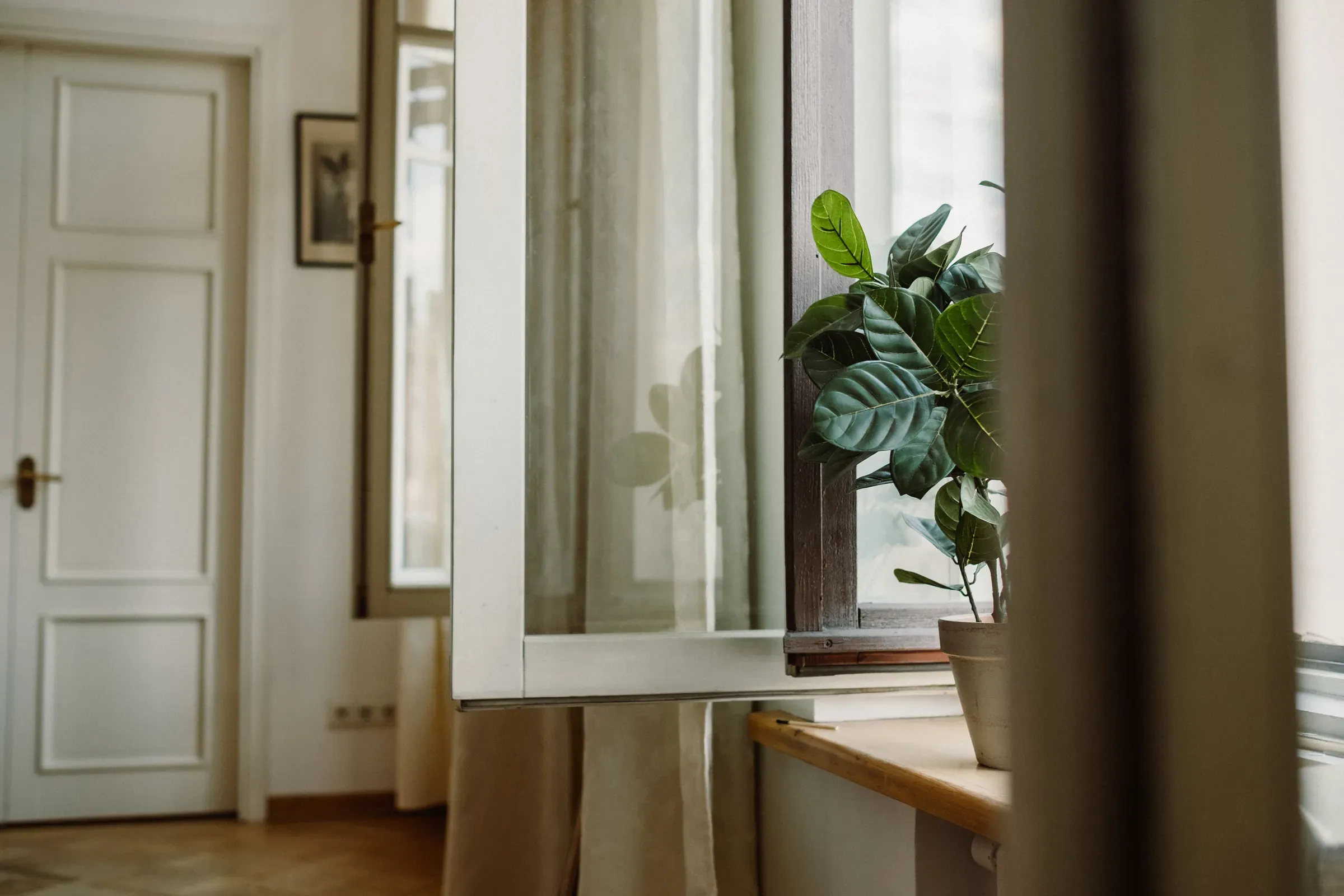
Your system moves the air you breathe
When the cottonwoods and grasses start up along the Front Range, most people blame the outdoors for their spring allergies. But the air in your house passes through your HVAC system again and again, and what that system does with pollen, dust, and pet dander has a lot to say about how you feel indoors.
The good news is that the same equipment that can circulate allergens can also strip them out. It comes down to the filter, the ducts, and a few habits.
Start with the filter
The filter is your first and cheapest line of defense. A basic fiberglass filter protects the equipment but catches little pollen. A pleated filter rated MERV 11 to 13 captures far more of the fine particles that trigger allergies, without choking airflow the way a too-dense filter can.
Change it more often in allergy season. A filter that’s due anyway loads up faster when pollen is heavy, and a clogged one stops filtering well and starts restricting airflow. Every one to two months through spring is a good rhythm.
Ducts, humidity, and the rest
Ducts collect dust over the years, and while routine duct cleaning is oversold for most homes, it’s worth doing if you can see debris at the registers, if you’ve just finished a renovation, or if there’s any sign of mold. A visual check tells you more than a sales pitch.
Humidity matters too. Dust mites and mold both thrive in damp air, so keeping indoor humidity in the 35 to 50 percent range discourages them. Colorado’s dry climate usually keeps us under that ceiling, but a humidifier run too hard in spring can tip a room the wrong way.
If someone in the house has real sensitivity, ask about a whole-home air cleaner or a media filter cabinet. These sit in the ductwork and filter far more thoroughly than a one-inch filter can, and they’re a better fix than a portable unit chasing one room.
A simple spring routine
Put it together and the routine is short: fit a MERV 11 to 13 filter, change it every month or two through the season, run the fan during heavy pollen, keep humidity moderate, and check the registers for dust. Most of it costs a few dollars and a few minutes.
If allergies still dog you indoors after that, the ductwork or a dedicated air cleaner is the next place to look. We’re happy to walk your home and tell you which, if either, is worth the money.
Printed from https://ampolic-astro-template.pages.dev/blog/spring-allergies-hvac