Sep 15, 2025 · 2 min read · 487 words
Get Your Furnace Ready Before the First Freeze
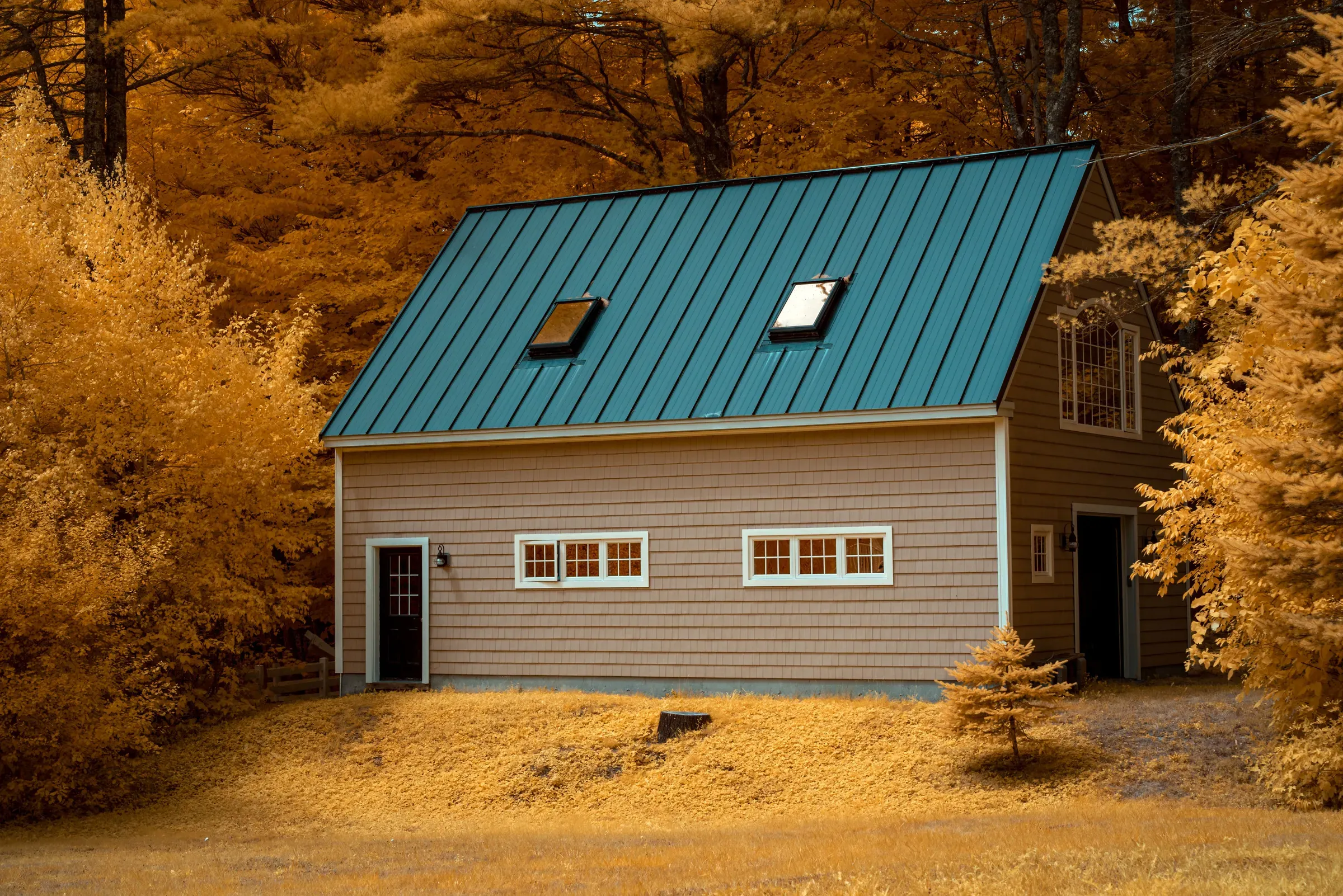
Don’t let the first cold night be the test
Along the Front Range the first hard freeze can arrive before October is out, and it has a way of showing up overnight. The furnace has sat idle all summer, and the first time you ask it to run is the worst possible time to learn it won’t. A little attention in September heads that off.
Most fall furnace prep is simple enough to do yourself in an afternoon. The rest is worth a technician’s hands. Here’s the split.
What you can do yourself
Start with the filter. A fresh one at the start of the heating season sets you up for good airflow and clean air through the winter. If you can’t remember the last change, it’s overdue.
Test the furnace before you need it. Pick a cool morning, switch the thermostat to heat, and set it a few degrees above room temperature. The furnace should fire within a minute or two and blow warm air. Do this in September, not November, so there’s time to fix anything that’s wrong.
Expect a brief burnt-dust smell on that first run as the summer’s dust burns off the heat exchanger. That’s normal and passes in a few minutes. A smell that lingers, or one that’s sharp or acrid, is not, and means shut it down and call.
Walk the house and clear the vents. Open supply registers, pull furniture off them, and make sure return vents aren’t blocked. Then look outside at any high-efficiency furnace’s PVC intake and exhaust pipes and clear them of nests, leaves, or debris.
What’s worth a professional
A fall tune-up is the piece most homeowners can’t do themselves, and it’s the one that prevents the expensive surprises. A technician checks the heat exchanger for cracks, which is a safety issue tied to carbon monoxide, tests the igniter and flame sensor that cause most no-heat calls, verifies gas pressure and combustion, and confirms the safety controls all work.
That visit catches the small faults, a weak igniter, a dirty sensor, a loose connection, before they leave you without heat on the coldest night. Booking it in September or early October beats the November rush, when every furnace in town seems to fail the same week.
Don’t forget the thermostat and detectors
Swap the thermostat batteries if it takes them, and set your heating schedule for the season. And test every carbon monoxide detector in the house, replacing batteries as needed. Heating season is exactly when CO risk rises, and a working detector is non-negotiable.
Run through this list before the first freeze and you’ll head into winter confident the furnace will start when you ask it to. If your test run turns up anything off, or you’re due for a tune-up, give us a call while there’s still time to do it on your schedule instead of the weather’s.
Printed from https://ampolic-astro-template.pages.dev/blog/furnace-fall-prep