Jan 19, 2026 · 3 min read · 505 words
Carbon Monoxide and Your Furnace
The risk worth understanding
Any appliance that burns fuel, your gas furnace included, produces carbon monoxide. In a healthy system that CO is carried safely outside through the flue, and you never encounter it. The danger comes when something fails and that gas escapes into the house instead.
Carbon monoxide is colorless, odorless, and tasteless, which is exactly what makes it dangerous. You can’t see it or smell it, and the early symptoms (headache, dizziness, nausea, fatigue) are easy to mistake for the flu. Understanding the risk and taking a few simple steps keeps a rare failure from becoming a tragedy.
Where the danger comes from
In a furnace, the most serious source is a cracked heat exchanger. The heat exchanger is the metal wall that separates the combustion gases from the air blown into your home. When it cracks with age or metal fatigue, combustion byproducts including CO can leak into that airstream and spread through the house. This is the single biggest reason a professional inspects the heat exchanger every year.
Other causes include a blocked or disconnected flue that can’t vent gases outside, poor combustion from a dirty or misadjusted burner, and inadequate combustion air in a tightly sealed mechanical room. Each is the kind of thing a tune-up is designed to catch.
Detectors are non-negotiable
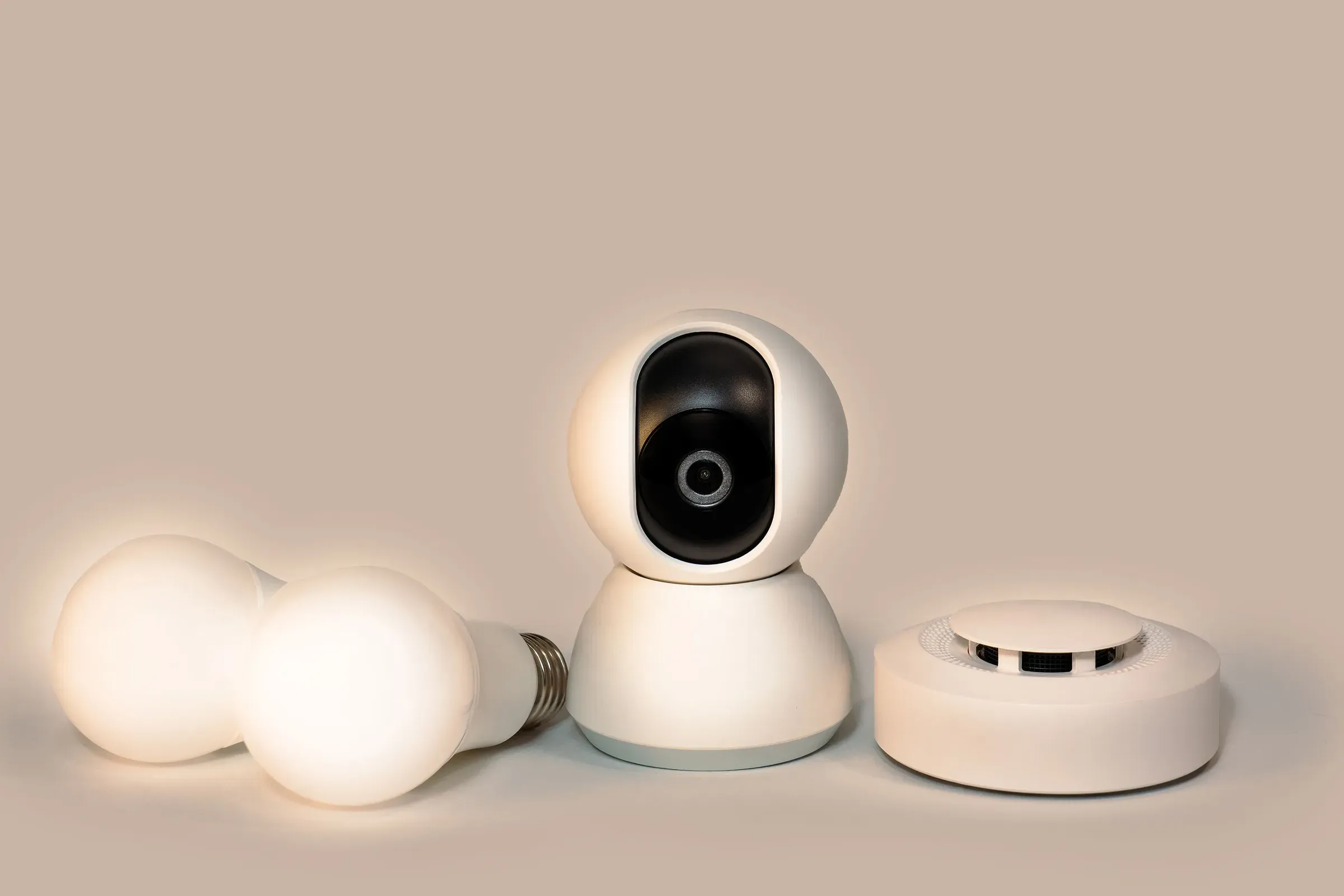
A carbon monoxide detector is the one thing standing between an invisible leak and your family, so treat it as essential, not optional. Install one on every level of the home and near the sleeping areas, since that’s when a leak is most dangerous and least likely to be noticed.
Test them monthly, replace the batteries at least once a year, and replace the detectors themselves every five to seven years, because the sensors wear out. A detector that’s a decade old may not alarm when it counts. If yours are combination smoke-and-CO units, confirm they actually sense CO and aren’t smoke-only.
What keeps you safe
The formula is simple and worth following without exception. Have the furnace professionally inspected once a year, with the heat exchanger and venting checked as part of it. Keep working CO detectors on every level. Never run a generator, grill, or car in the garage or anywhere attached to the house. And take the early symptoms seriously, especially if several people in the home feel them at once and improve when they leave.
If it’s been more than a year since your furnace was inspected, or your detectors are aging, don’t put it off. Call us for a heating safety check. It’s a routine visit, and it’s the kind of routine that matters most.
Printed from https://ampolic-astro-template.pages.dev/blog/carbon-monoxide-furnace