Jan 20, 2025 · 2 min read · 494 words
When Your Furnace Can't Keep Up in a Cold Snap
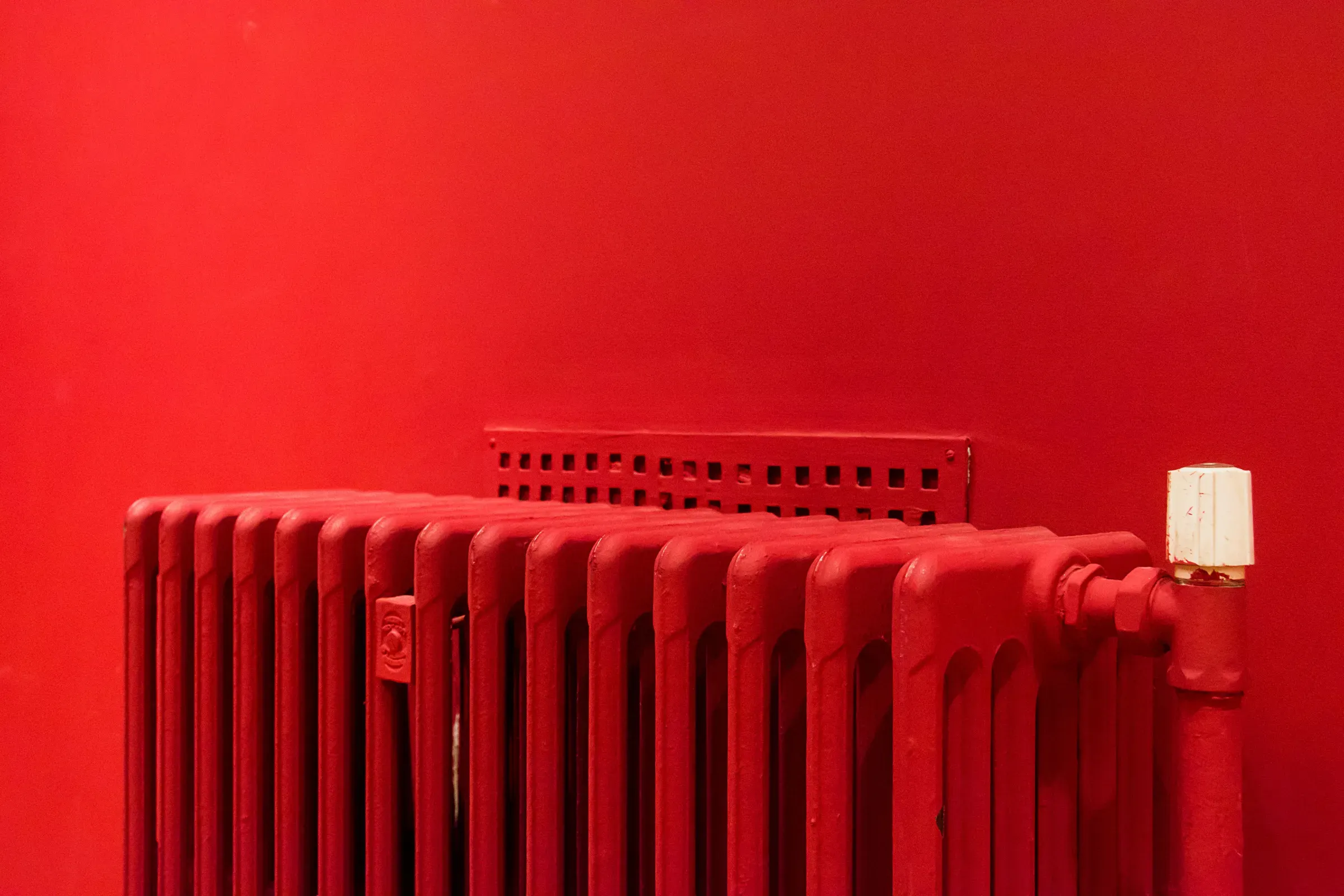
The furnace runs, but the house won’t warm
It’s the coldest week of the winter, the furnace is clearly running, and the thermostat reads three degrees below where you set it. That gap is the classic sign of a system that can heat a normal night but can’t quite cover an extreme one. Sometimes it’s a real fault. Often it’s something small.
Start with the easy checks. A clogged filter is the most common cause we see: as it loads with dust, it chokes airflow, the furnace can’t push enough warm air, and it may overheat and shut itself off early. Swap in a clean one and give it a day.
Check the vents and the thermostat
Walk the house and confirm supply registers are open and clear. A closed vent in a spare room or a couch pushed against a register starves the rooms that matter. Return vents need clearance too, since blocking them is like asking the furnace to breathe through a pinched straw.
Then look at the thermostat. If it’s set to swing from a deep overnight setback straight to a comfortable morning number, the furnace may need hours to climb in single-digit weather. Try a smaller, steadier setback during a cold snap and see if it holds better.
When it’s the equipment, not the setup
If the filter is clean, the vents are open, and the furnace still can’t hold temperature, a few equipment issues tend to be behind it. A weak or dirty flame sensor makes the burners cut out early. A failing igniter means inconsistent starts. And an undersized furnace, or one near the end of its life, runs out of capacity when the outdoor temperature drops below about zero.
There’s also the ductwork. Leaky or uninsulated ducts running through an unconditioned attic or crawlspace can lose a quarter of their heat before it reaches the rooms. On a mild day you’d never notice. In a Front Range cold snap, that loss is the difference between comfortable and cold.
Get ahead of the next one
Boulder winters swing hard, and the coldest nights are exactly when a marginal furnace shows its limits. If yours struggles every January, that’s worth diagnosing before next season rather than during it. A tune-up catches the small faults, and a load check tells you whether the furnace is genuinely sized for your home.
If your house won’t warm up and the quick checks haven’t helped, give us a call. We’ll find out whether it’s a ten-minute fix or a sign the system needs more attention, and tell you straight either way.
Printed from https://ampolic-astro-template.pages.dev/blog/furnace-cold-snap